Tracer Gas Hydrogen Leak Detector for Many Applications
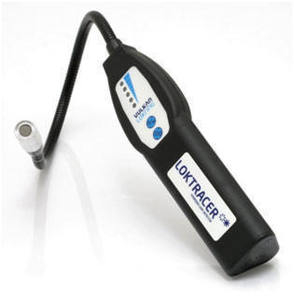
The TLD.500 Hydrogen Tracer Gas Sniffer Leak Detector is designed for getting started in tracer gas leak detection.
How H2Leak TLD.500 Works To Locate Leaks
-
Pressurize the product or piping with hydrogen/nitrogen mix to a safe level not to damage the product or piping. Pressure does have an effect on leak rate.
-
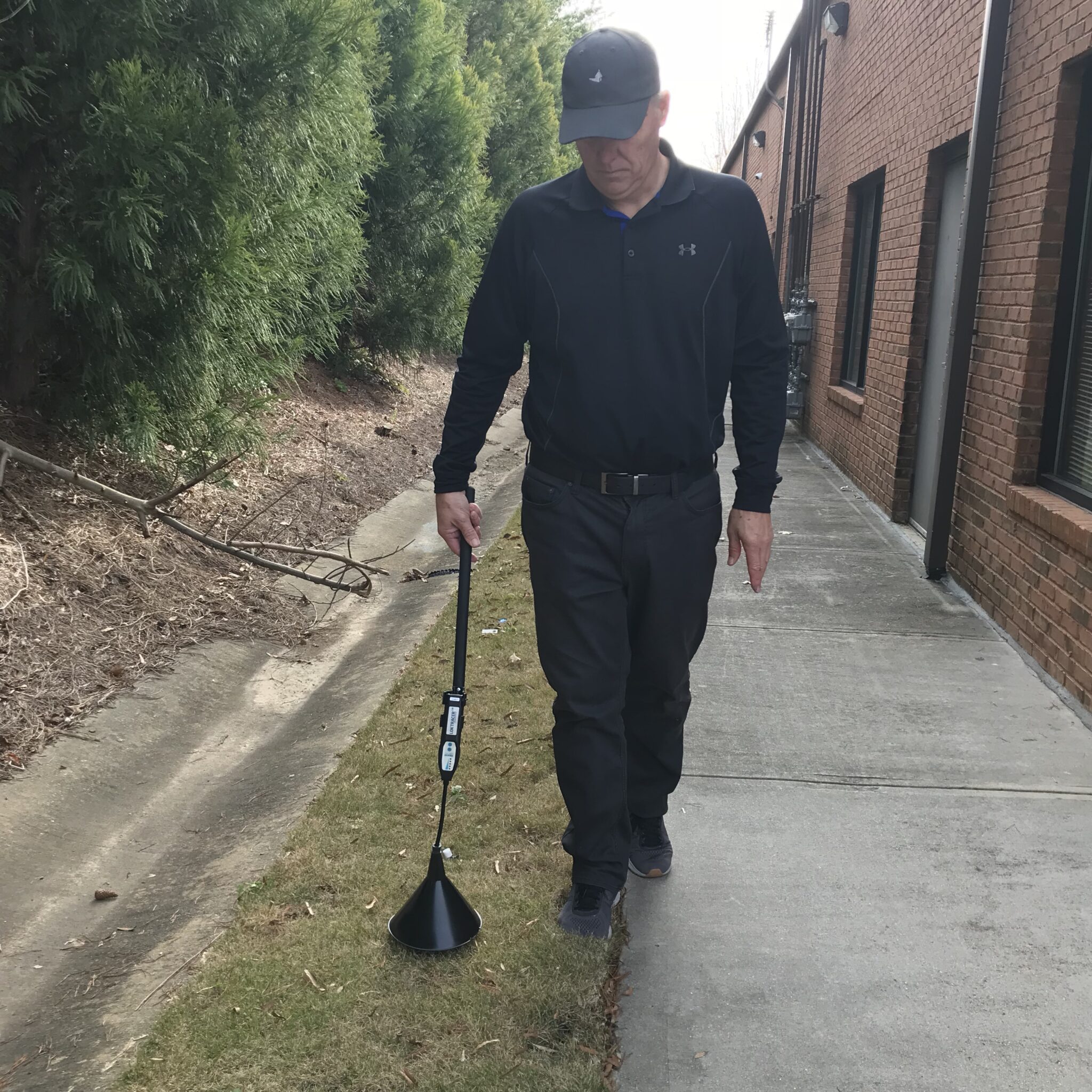
The 5/95 gas escapes the leak and can be detected by moving the tip of the TLD.500 around the potentially leaky joint or section.
-
Move the tip no more than 1-2″ per second less than 1/4″ away.
- Highest reading is the pinpoint leak location.
- Repair the leak then pressurize and repeat to insure leak is repaired.
Hydrogen vs. Helium Leak Detection
Helium sniffing has been the preferred method of tracer gas leak detection for decades. However, in the last 20 years, high helium cost and limited availability have made tracer gas leak detection using helium less attractive. At the same time, the 5/95 hydrogen/nitrogen mixture tracer gas has been stable and low in cost. To add to that, hydrogen leak detection technology is as good as helium sniffing while the cost of equipment is much less. Helium leak detectors can be either mass spectrometer or thermal conductivity technology. Compared to hydrogen tracer mixture, helium mass spectrometers are 20x more costly than hydrogen, while helium thermal conductivity leak detectors suffer from less sensitivity and more frequent service. Also, both helium methods pull a gas sample into the probe which can cause clogging of the probe. Our hydrogen leak detectors are “impact” detectors meaning no gas is drawn into the detector, resulting in no clogging.
Hydrogen vs. Bubble Testing
Bubble testing has always been the accepted low cost method of location leak locations. Using soap and water solutions, bubbles are formed at the leak location. An alternative method is to submerge the test article in water and watch for bubbles emitting from the leak location. Hydrogen leak detectors are capable of finding 1000 times smaller leaks than bubble testing.